
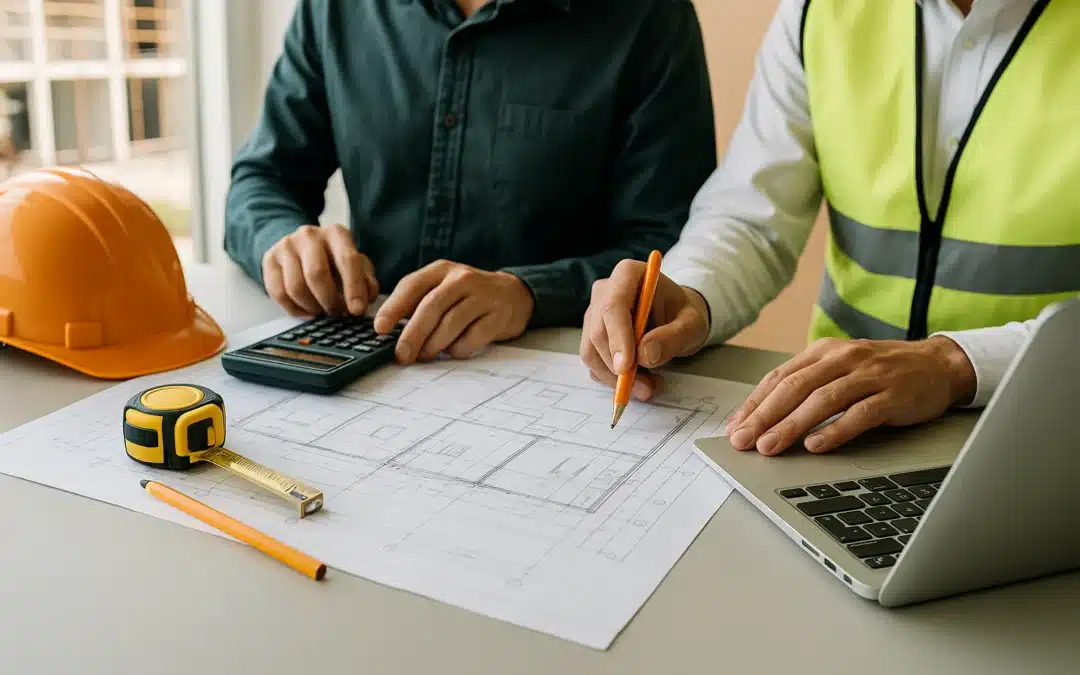
Understanding Construction Estimating Procedures: A Practical Guide
Construction Estimating procedures are the backbone of any successful project delivery in 2026. With increased project complexity and tighter budgets, accurate Construction Estimating is more critical than ever. Senior professionals in construction management recognise that a detailed and systematic approach to estimating can mean the difference between profit and loss, project delays, or on-time delivery. The discipline of Construction Estimating involves not only quantifying costs but also anticipating risks, managing resources, and ensuring competitive bids.
Explore more resources on our homepage.
This guide offers a comprehensive, step-by-step exploration of modern Construction Estimating procedures. It draws on advanced tools and current best practices to equip professionals with actionable strategies for every stage of the estimation process. Whether you oversee commercial, industrial, or infrastructure projects, mastering these procedures is essential for maintaining competitiveness, satisfying clients, and driving organisational success. By the end of this guide, you will have a clear, practical understanding of how to implement and optimize Construction Estimating procedures for your projects.
For a complete overview of the topic, see our guide on estimating building construction: a complete overview.
The Foundations of Construction Estimating
Defining Construction Estimating Procedures
Construction Estimating procedures refer to the structured processes used to forecast the costs, resources, and timeframes associated with a construction project. These procedures are not a singular task but a series of interconnected steps that guide a project from conceptualisation through contract award. At their core, these procedures ensure projects are financially viable, risks are managed, and all stakeholders have a clear understanding of the anticipated investment.
Estimating procedures typically include project scope assessment, quantity takeoff, cost data compilation, risk evaluation, and final estimate review. Each step plays a critical role in achieving reliable and transparent cost projections. As organizations adopt more advanced digital tools, the procedures are further refined for accuracy and efficiency. Understanding these foundational steps is crucial for setting the stage for detailed Construction Estimating work. For a deeper dive into managing costs once your estimate is approved, see the role of cost management in construction projects.
Key Objectives of Accurate Estimating
In 2026, the primary objectives of Construction Estimating procedures remain consistent: deliver reliable cost forecasts, minimise financial risk, and ensure project feasibility. However, the stakes are higher due to volatile material prices, labor shortages, and evolving regulatory requirements. A well-structured estimating process mitigates these risks by providing a defensible cost baseline and enabling proactive decision-making.
Learn more about what is estimating in construction and why is it important.
Accurate estimates help construction firms secure profitable contracts, negotiate with suppliers, and allocate resources efficiently. They also foster trust with clients and financiers by demonstrating transparency and professionalism. For senior professionals, focusing on accuracy in each Construction Estimating phase directly impacts organisational reputation and competitiveness in a crowded marketplace. See our cost estimation and management best practices guide for more detail.
Overview of Estimating Types
Construction Estimating procedures encompass several types of estimates, each serving a specific purpose during project development. The most common include:
- Preliminary/Conceptual Estimates: Conducted early based on limited design information to assess project viability.
- Detailed Estimates: Developed when full plans and specifications are available, supporting contract bidding and resource planning.
- Bid Estimates: Used for competitive tendering, these incorporate subcontractor quotes, material costs, and markups. Our full tender estimating services are built specifically for this stage.
- Control Estimates: Prepared after contract award to guide cost management and project controls.
Understanding when and how to apply each estimate type is fundamental for senior professionals looking to optimise project outcomes and maintain profitability.
Step-by-Step Breakdown of Construction Estimating Procedures
Step 1: Project Scope Definition and Documentation
The first stage in any Construction Estimating procedure is a thorough review of the project scope. This involves dissecting construction drawings, specifications, and client requirements to determine what the estimate must include. Senior estimators collaborate with architects, engineers, and clients to clarify ambiguities and document any assumptions. Comprehensive scope definition prevents costly scope creep and rework.
Effective documentation—such as scope statements, assumption logs, and clarifications—serves as the foundation for accurate quantity takeoff and cost forecasting. In 2026, many organisations employ digital collaboration tools and cloud-based document management to streamline this process, ensuring all stakeholders have access to current, consistent information. This applies just as much to specialist projects, such as farm and barn conversions, where scope definition is critical given the unpredictability of existing structures.
Step 2: Quantity Takeoff and Measurement
Accurate quantity takeoff is central to reliable Construction Estimating procedures. This step involves quantifying all materials, labor, and equipment required based on the project documents. Modern estimators leverage Building Information Modeling (BIM) and digital takeoff software to automate measurements, reduce errors, and ensure consistency across estimates.
Senior professionals understand that even minor discrepancies in quantity takeoff can cascade into significant cost overruns. Thus, quality control—such as peer reviews, checklists, and version control—is standard practice. Detailed takeoff sheets, organised by work breakdown structure (WBS), allow for transparent tracking and easy updates as project changes occur.
Step 3: Cost Data Compilation and Analysis
Once quantities are determined, the next phase involves gathering up-to-date cost data for materials, labor rates, equipment rentals, and subcontractor pricing. In 2026, cost databases are regularly updated to reflect market volatility, tariffs, and regional price variations. Senior estimators cross-reference multiple sources—such as RSMeans, supplier quotes, and historical project data—to ensure accuracy and competitiveness.
Cost analysis includes factoring in overhead, profit margins, escalation, and potential contingencies. This step demands a nuanced understanding of both direct and indirect costs, as well as negotiation skills for vendor relationships. Comprehensive cost compilation creates a robust foundation for risk evaluation and final estimate preparation. To see how this feeds into the wider picture, read our guide on innovative approaches to construction cost management.
Step 4: Risk Assessment and Contingency Planning
Risk assessment is a vital, but often underestimated, component of Construction Estimating procedures. Senior professionals systematically identify project risks—such as weather delays, supply chain disruptions, and regulatory changes—and quantify their potential cost impacts. Modern risk analysis tools use Monte Carlo simulations and scenario planning to model uncertainties and inform contingency reserves.
Contingency planning should be transparent and defensible. Clearly documented assumptions and risk registers help justify contingency allocations during client negotiations and internal reviews. In the current construction climate, robust risk management not only safeguards budgets but also supports more accurate project scheduling and resource allocation.
Step 5: Estimate Review, Validation, and Approval
Before finalising an estimate, a rigorous review and validation process is essential. Senior estimators conduct internal peer reviews, benchmark estimates against similar projects, and use checklists to verify scope coverage, math accuracy, and cost assumptions. Third-party audits or external consultants may be engaged for high-value or complex projects.
Estimate approval typically involves presentation to project executives or clients, with supporting documentation and a summary of key assumptions, risks, and recommendations. Transparent review processes build client confidence and reduce the risk of disputes during later project phases. In 2026, digital platforms facilitate collaborative estimate review, version control, and secure approval workflows. For guidance on appraisal and evaluation standards, the UK Government's Green Book sets out best-practice principles for cost appraisal that are widely referenced across the industry.
Tools and Technologies Shaping Estimating in 2026
Digital Takeoff Software and BIM Integration
The adoption of advanced takeoff software and Building Information Modeling (BIM) is now standard in Construction Estimating procedures. These digital tools enable precise measurement extraction from 3D models, automatic updates for design changes, and real-time collaboration between project teams. Leading platforms such as Autodesk Revit, PlanSwift, and Bluebeam are widely used to increase both speed and accuracy in quantity takeoff.
BIM integration also supports clash detection, scope visualisation, and lifecycle cost analysis—capabilities that are especially valuable for large-scale or complex projects. Senior professionals leverage these tools to streamline workflows, reduce manual input, and improve overall estimate reliability.
Cloud-Based Collaboration and Data Management
Cloud technology is transforming Construction Estimating procedures by enabling real-time access to project documents, estimates, and historical cost databases from any location. Platforms like Procur, Trimble, and Oracle Construction and Engineering Cloud are now integral parts of many organisations' workflows. These systems facilitate secure document sharing, automated version tracking, and seamless collaboration across distributed teams.
Senior estimators benefit from centralised data repositories and standardised templates, which enhance consistency and reduce the risk of errors. In the current construction environment, cloud-based solutions are essential for maintaining agility and transparency throughout the estimating process.
AI and Machine Learning in Estimating
Artificial intelligence (AI) and machine learning are rapidly advancing Construction Estimating procedures in 2026. AI-powered platforms analyse historical project data, market trends, and real-time supply chain information to generate predictive cost models. These technologies help estimators identify potential risks, optimise resource allocation, and benchmark estimates with unprecedented speed.
Senior professionals are increasingly leveraging AI for tasks such as automated quantity takeoff, anomaly detection in cost data, and scenario analysis. While human expertise remains irreplaceable, AI enhances efficiency and accuracy, allowing estimators to focus on strategic decision-making and relationship management.
Expert Strategies for Optimising Estimating Procedures
Standardisation and Process Improvement
Standardising Construction Estimating procedures across projects and teams ensures consistency, accuracy, and scalability. Senior professionals implement standardised templates, checklists, and review protocols to minimise human error and reduce learning curves for new team members. Organisations that invest in regular training and process audits see measurable improvements in estimate reliability and project profitability.
Process improvement should be ongoing, leveraging feedback from completed projects, lessons learned, and emerging best practices. In 2026, many firms use digital dashboards to monitor key performance indicators (KPIs) such as estimate variance, bid success rates, and post-project cost performance.
Integrating Estimating with Project Controls
Integrating Construction Estimating procedures with project controls—such as scheduling, cost management, and procurement—enables a holistic approach to project delivery. Senior professionals ensure that estimates are aligned with work breakdown structures, resource schedules, and cash flow forecasts. This integration supports real-time budget tracking, earned value analysis, and proactive change management.
Modern project management platforms offer seamless data exchange between estimating and project controls modules, eliminating silos and improving decision-making. This systems-based approach is particularly valuable for large or multi-phase projects, where accurate forecasting and risk management are paramount.
Fostering a Culture of Collaboration and Transparency
A collaborative and transparent culture is essential for effective Construction Estimating procedures. Senior leaders champion open communication between estimating, design, procurement, and field operations teams. Regular estimate review meetings and knowledge-sharing sessions help uncover blind spots, validate assumptions, and promote accountability.
Transparency in documenting scope, assumptions, and risk allocations builds trust with clients and project partners. Organisations that prioritise collaboration and transparency consistently outperform those with siloed or opaque estimating practices, leading to stronger client relationships and repeat business.
Actionable Takeaways for Senior Professionals
- Invest in Digital Tools: Adopt advanced takeoff, BIM, and AI platforms to enhance speed and accuracy.
- Standardise Procedures: Implement checklists, templates, and peer reviews across all projects.
- Prioritise Risk Management: Use scenario planning and risk registers to inform contingency allocations.
- Integrate Estimating with Controls: Align estimates with schedules, budgets, and procurement systems.
- Cultivate Collaboration: Foster transparent communication and cross-functional teamwork for better outcomes.
- Commit to Continuous Improvement: Use project feedback and KPIs to refine estimating procedures regularly.
These steps will support senior professionals in elevating their Construction Estimating procedures to meet current industry demands.
Next Steps: Elevate Your Estimating Practices
For senior professionals committed to excellence, now is the time to evaluate and upgrade your Construction Estimating procedures. Begin by benchmarking your current processes against industry-leading standards and identifying gaps that digital tools or training can address. Engage your teams in process improvement initiatives and leverage external expertise where needed.
Consider partnering with technology providers or consultants specialising in construction estimation to accelerate your transformation. Attend industry conferences, participate in professional forums, and invest in ongoing education to stay ahead of evolving trends. These strategic moves will not only enhance your project outcomes but also strengthen your organisation's competitive position in the dynamic construction landscape of 2026.
Frequently Asked Questions
What is included in Construction Estimating procedures?
Construction Estimating procedures typically include project scope assessment, quantity takeoff, cost data compilation, risk evaluation, and final estimate review. Together these steps produce a reliable, defensible cost forecast for a project.
What is the difference between a preliminary estimate and a detailed estimate?
A preliminary (or conceptual) estimate is produced early, based on limited design information, to assess project viability. A detailed estimate is developed once full plans and specifications are available, and is used to support contract bidding and resource planning.
How does BIM improve Construction Estimating accuracy?
Building Information Modeling (BIM) enables precise measurement extraction directly from 3D models, automatic updates when designs change, and clash detection — reducing manual error and improving overall estimate reliability.
Why is risk assessment important in Construction Estimating?
Risk assessment identifies potential cost impacts from factors like weather delays, supply chain disruption, and regulatory change. Quantifying these risks allows for transparent, defensible contingency allowances rather than guesswork.
How can a business improve its Construction Estimating procedures?
Businesses can improve their estimating procedures by standardising templates and checklists, investing in digital takeoff and BIM tools, integrating estimating with project controls, and fostering a culture of collaboration and continuous improvement.
Conclusion: Mastering Construction Estimating for Lasting Success
Construction Estimating procedures are foundational to project success in 2026's competitive environment. By embracing digital tools, standardising processes, prioritizing risk management, and fostering collaboration, senior professionals can deliver more accurate, defensible estimates and drive better project outcomes. Real-world examples demonstrate the tangible benefits of advanced estimating practices, from cost savings to improved client satisfaction.
Continued investment in people, processes, and technology will ensure your organisation remains agile and resilient. Mastering Construction Estimating procedures is not a one-time achievement, but an ongoing commitment to excellence, innovation, and professional growth.
How Coval Can Help With Your Construction Estimating
Getting Construction Estimating right takes deep expertise and precise, up-to-date data. Coval supports UK contractors with:
- Pre-Construction Estimating Services — precise, early-stage cost insight to inform go/no-go decisions
- Full Tender Builders Estimates — comprehensive, competitive estimates that help you win more tenders
- Bills of Quantities — detailed, accurate BoQs to keep your projects on budget
- Budget & Feasibility Consultation — expert guidance at the planning stage to avoid costly surprises later
- Trade Package Estimating Services — flexible support tailored to your specific project needs
Whether you're preparing a tender submission or refining your internal estimating process, our team is ready to help you deliver more accurate, competitive estimates.